A home pregnancy test is a useful private screening tool, but it cannot bend biology. It detects human chorionic gonadotropin (hCG) in urine. If you test before enough hCG is present, a negative result can be wrong. That makes timing, the instructions in the box, and what you do next more important than the price of the test or the color of the result window.
Our buying advice is uncomplicated: buy a new, unexpired test from a reputable seller, choose the display you can read confidently, and test on or after a missed period whenever possible. A lower-priced line test can be just as useful as a digital test when it is used at the right time. A premium “early result” box does not remove the chance of a false negative when testing is too soon.
Buy for timing and readability, not marketing
- For testing before a missed period: First Response Early Result is a familiar line-test option. Its early-detection claim does not make an early negative final.
- For a result in words: Clearblue Digital costs more, but its display can be easier to read calmly and correctly.
- For repeat testing: a reputable multipack gives you a second, sealed test if the first result is negative or invalid.
- Best test when the result may be urgent or confusing: a clinician or sexual-health service, not another brand comparison.
- Best rule for any kit: use a new, unexpired test and read its enclosed directions before collecting urine.
What a home pregnancy test actually measures
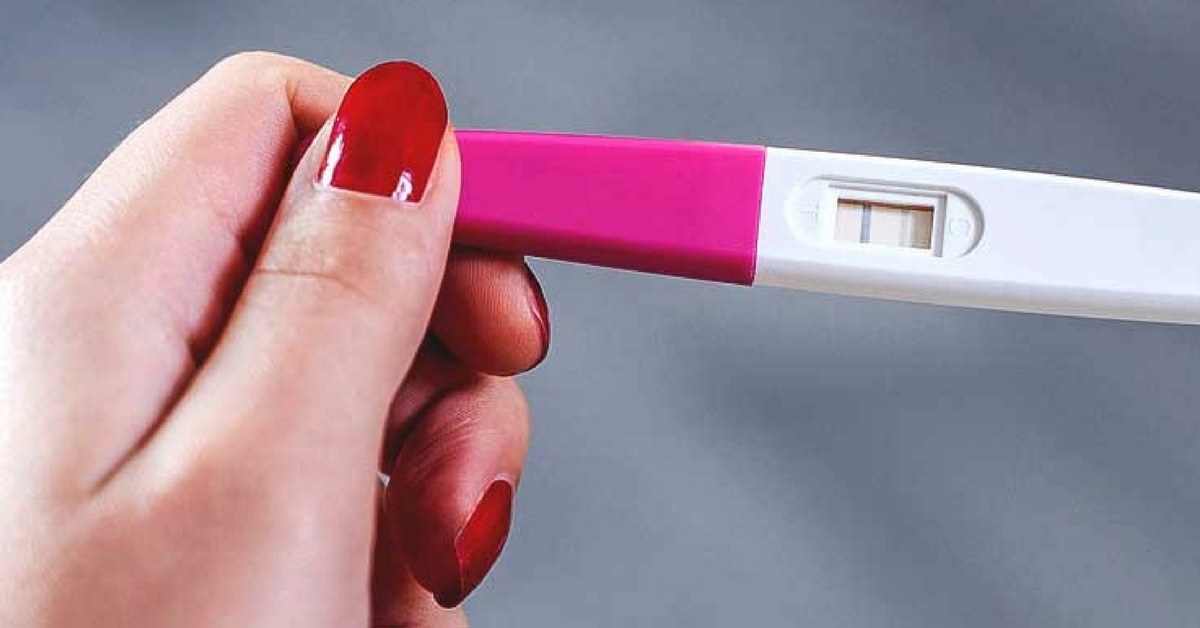
Home urine tests look for hCG, a hormone that appears after implantation and is produced during pregnancy. The tests are qualitative: they are designed to tell you whether hCG has been detected above that particular test’s threshold, not to tell you exactly how much is present or whether a pregnancy is progressing normally. Different products may have different stated sensitivities and result displays, but no test can find hCG before the body has produced enough for detection.
This is why “99% accurate” language needs context. It refers to performance under the conditions and timing in the test’s labeling. Real-world results depend on using the correct amount of urine, waiting the stated time, checking the control indicator, storing the test properly, and testing at a point when hCG is high enough. A negative result early in a cycle is information, but it may be tentative information.
A home test does not determine the location of a pregnancy, estimate gestational age reliably, rule out every cause of a missed period, or replace medical care when symptoms are concerning. It is a first step. Treat it like any other home medical test: useful when used as intended, not a reason to ignore what your body is telling you.
Timing matters more than the package claim
Testing on or after the first day of a missed period is a sensible starting point. If cycle timing is uncertain, if ovulation happened later than expected, or if you are testing soon after sex, the calendar can be misleading. Testing very early raises the chance that hCG is below the test’s threshold even if pregnancy exists. A negative result at that point should not be treated as final.
For the most reliable home result, the FDA advises testing one to two weeks after a missed period rather than repeatedly chasing an early answer. Use first-morning urine if the test directions allow it, because it is generally more concentrated. Do not drink a large amount of fluid just before testing in an attempt to “help” the process; diluted urine can make early detection more difficult.
If the first test is negative but your period has not arrived or pregnancy still seems possible, repeat with a new test after several days to a week, following that test’s directions. A multipack is practical for this reason. If you have two negative home tests but still think you may be pregnant, contact a healthcare professional. They can consider timing, your medical history, examination, and other testing when appropriate.
Choose the display you can use correctly
Line tests: best value and usually enough
Traditional line tests are inexpensive, compact, and straightforward once you have read the instructions. The First Response Early Result is a familiar option in this category. The manufacturer says it can be used up to five days before the expected period and read at three minutes; its own data also show why early testing needs humility—detection rises as the expected period gets closer. Its value is a clear, mainstream format with specific instructions, not a guarantee that biology will cooperate with a calendar. Check the exact box you buy because method, read window, and claims can change between products.
Line formats work well when you can use a timer, have good lighting, and are comfortable comparing the result with the included diagram. Read the result only in the stated window. Do not rescue a discarded test later to search for a new line, and do not compare a faint mark to photos online instead of the manufacturer’s directions. If the control line or symbol is missing, the test is invalid; use a new test instead of trying to interpret the rest of the strip.
Digital tests: easier to read, not a biological shortcut
Clearblue Digital is a reasonable upgrade for someone who finds “pregnant” or “not pregnant” less stressful than reading lines. The benefit is readability. The trade-off is cost and the same timing limitation as every urine test. A digital display cannot make an early test definitive when the urine sample does not contain enough detectable hCG. Check the package insert for the exact model in hand; a brand name alone does not tell you its timing claim or read window.
Choose digital if the clear display will help you follow the instructions and make a calm next-step decision. Do not choose it because you believe it guarantees accuracy regardless of timing. If budget allows, it can be useful to keep one digital test for the moment you are ready to test after a missed period and one traditional test for a repeat test as directed.
Multipacks: useful when repetition is likely
A reputable multipack is often the practical buy if you are testing close to the expected period or want a repeat available. Check every test’s expiration date, keep the package dry and within its storage conditions, and do not open a sealed test until you are ready to use it. Multipacks are not a reason to test compulsively hour after hour. hCG does not rise in a useful way over a few minutes.
Do not buy loose, previously owned, damaged, or unsealed tests. Buy from a credible pharmacy, retailer, or seller with clear product handling. A low price is not a good trade for uncertain storage or an unknown expiration date. If the package is open, the foil pouch is damaged, or the directions are missing, do not use it.
How to use the test correctly
- Read the entire instruction leaflet before opening the pouch. Note the sample method, timing, result window, control indicator, and what to do after a negative or positive result.
- Check the expiration date and make sure the test was stored as directed. Use a clean, dry container if the format calls for collecting urine.
- Use first-morning urine when practical and permitted by the instructions. Avoid unusually heavy fluid intake immediately beforehand.
- Follow the exact stream or dip time. Set a timer instead of estimating.
- Place the test exactly as instructed while it develops. Do not turn it, shake it, or read it early.
- Read it at the specified time in good light. Confirm that the control line or symbol appeared.
- Record the result and date, then follow the next-step directions. Do not re-read the test outside the instructed window.
Minor differences between brands matter. Some tests are designed for midstream use; others can be dipped in a cup. Some have a colored control line; others have a symbol. Some advise a particular orientation while waiting. The directions in the box are more authoritative for that product than a general internet checklist, so use this guide to choose a test and the package insert to run it.
How to interpret the result
Positive: hCG was detected, and pregnancy is likely. Arrange appropriate follow-up with a healthcare provider, clinic, or trusted sexual-health service. They can discuss next steps that fit your circumstances, confirm the result when needed, review medication and health history, and help you access prenatal care or other support. If you use fertility medication that contains hCG, tell your care team; it can affect how a positive is interpreted.
Negative: hCG was not detected at the level or time of that test. If you tested early, had a short or irregular cycle, used diluted urine, or still suspect pregnancy, repeat later with a new kit. Until you have enough clarity, do not make medication, alcohol, smoking, or other health decisions based solely on an early negative. Ask a clinician or pharmacist about medicines instead of stopping prescribed treatment on your own. That matters for over-the-counter products too; our cough-relief guide explains product categories, but a pharmacist is the right person to ask when pregnancy is possible.
Invalid: the control indicator did not appear or the test cannot be interpreted according to its directions. The test did not work. Use a new, unexpired kit and carefully repeat. Do not count an invalid test as negative or positive.
When a home test is not enough
Do not wait on another home test if you have severe or one-sided abdominal or pelvic pain, shoulder pain, fainting, marked dizziness, heavy vaginal bleeding, trouble breathing, chest pain, sudden severe headache, or any symptom that feels urgent. Seek urgent medical assessment. Those symptoms can need prompt care for many reasons; a home result cannot explain significant pain or bleeding.
Contact a clinician promptly if you have a positive result and take prescription medicines, have a health condition, are receiving fertility treatment, or need support deciding next steps. Do the same for repeated negative tests with a missed period, a positive result that is unexpected, or a result that conflicts with symptoms. A home test is not a diagnosis of a healthy or unhealthy pregnancy; it is one piece of information.
Do not use an at-home pregnancy test to delay emergency contraception, post-exposure sexual-health care, or evaluation for assault or coercion. Timing can be time-sensitive. A healthcare professional, pharmacist, or local sexual-health service can explain available options and support confidential care in your location.
Common mistakes to avoid
- Testing repeatedly before the expected period and treating a negative as definitive.
- Using an expired, unsealed, poorly stored, or previously owned test.
- Skipping the instructions because the brand looks familiar.
- Guessing the read time instead of using a timer.
- Ignoring a missing control line or symbol.
- Reading a test after the stated result window and trying to decode later changes.
- Assuming a digital test is medically “stronger” than a line test regardless of timing.
- Ignoring pain, bleeding, faintness, or other urgent symptoms because a test appears negative.
How much should you spend?
Spend enough to buy a new, recognizable test from a reputable source. A single line test is reasonable when you are testing after a missed period and expect a clear use case. A multipack is sensible if you may need to repeat. A digital test earns its higher price when a written display reduces the chance of misreading or anxiety. There is no need to stockpile expensive “early” tests just to test days before your body has had time to produce detectable hCG.
Keep one spare only if it will remain within date and stored as directed. A test is small enough to tuck into a medicine cabinet, but do not store it where heat, humidity, or curious children can compromise the package. When you use the test, photograph the box and instructions if you need a record for a clinician; do not rely on a saved photo of the result alone for medical interpretation.
Three decisions the box cannot make for you
Choose a value pack only when you will use it at the right time
A lower-priced, regulated line test can be highly useful when used correctly at the right time. The key differences are usually stated sensitivity, format, number of tests, and result readability. No price level eliminates the chance of a false negative from testing too early.
Repeat a negative only when timing still leaves room for doubt
If pregnancy remains possible or your period has not started, repeat with a new test after several days to a week, using the new test’s instructions. Contact a healthcare professional if repeated negatives do not fit what is happening with your cycle or symptoms.
Keep a clinician or pharmacist involved when medication is part of the picture
Some fertility medications containing hCG can affect interpretation. Do not change prescribed medication based on a home result without talking with the prescribing clinician or a pharmacist. Tell your care team about fertility treatment and any unexpected result.
Make the next step easier before you test
It can help to decide in advance what each possible result would mean. Have the test instructions, a timer, privacy, and a way to contact a healthcare professional or trusted support person if you want one. This does not make the result easier emotionally, but it can prevent a rushed decision in the few minutes after a test develops. You do not have to make every decision at once.
If you expect a positive result would change your medication, work, travel, or healthcare needs, make a note of the relevant details before testing. Bring the test box or a photo of the instructions to an appointment if the clinician asks what format you used. Do not flush or share used tests, and follow local disposal advice; seal it in the household trash where others will not encounter it.
Privacy is part of product choice. A digital display can be easier to read but may remain visible longer. A line test is smaller and usually less expensive. Buy the format that gives you the best chance of using the test calmly and following through on the result. If someone is controlling your healthcare access, medication, or ability to seek help, consider reaching out to a trusted healthcare service or support organization from a safe device when possible.
Storage and package checks
Before you put a test in the cart, make sure the seller identifies the exact product and shows intact retail packaging. On arrival, check the expiration date, sealed pouch, directions, and control information. Store tests at the temperature and humidity the box specifies. A glove compartment, damp bathroom shelf, or windowsill can be a poor storage location. Never try to revive an expired test by comparing it to an online photo or using multiple drops of urine; use a new kit.
For a person with irregular cycles, a calendar or period-tracking note can help describe timing to a clinician, but it is not a substitute for testing or care. Record dates without treating an app prediction as proof of ovulation or pregnancy status. When in doubt, testing at the recommended time and following up is more reliable than spending days decoding an estimated date.
Choosing home pregnancy tests
The right home pregnancy test is a new, unexpired test you can use correctly at the right time. First Response Early Result is a traditional early-testing option; Clearblue Digital can be a worthwhile readability upgrade; and a reputable multipack makes a later repeat practical. Test on or after a missed period when possible, follow the package insert exactly, and seek clinical care for a positive result, ongoing uncertainty, or any concerning symptom.
Our approach: We explain the trade-offs behind every recommendation. If you buy through an Amazon link, SuperGrail may earn a commission—our research remains independent.
When you are comparing home health purchases, clear instructions and reliable timing matter more than extra features. Browse SuperGrail’s health guides for other practical, plain-language buying advice.