A hybrid bike is the sensible choice for most people who want to ride on streets, bike paths, and the occasional smooth park trail without committing to drop handlebars, a mountain-bike suspension fork, or a race-bike position. The category is broad, though. Two bikes called “hybrids” can feel completely different once a rack is loaded, the road gets rough, or the route includes a hill.
For regular commuting, fitness rides, and everyday errands, the Trek FX 2 Gen 4 is the straightforward pick. Its current frame has rack and fender mounts, 700 x 35 mm tires, hydraulic disc brakes, and a Shimano CUES 1x9 drivetrain with a wide 11–46 cassette. The Specialized Sirrus X 3.0 is the better direction for broken pavement and smooth unpaved paths, thanks to wider 700 x 40 mm tires, hydraulic disc brakes, and rack and fender mounts. Choose the Marin Fairfax 2 if a local dealer has the right size and you prefer its conventional 2x8 drivetrain, 35 mm puncture-protected tires, and practical mounts. The Priority Continuum Onyx is for the committed commuter who values a belt drive, continuously variable hub, integrated lights, fenders, and less greasy maintenance enough to accept a heavier bike and a higher initial cost.
The important choice is not a logo or the number of gears. It is whether the bike fits, whether its tires match the surface you actually ride, whether it can carry what you need, and whether you have a plan for service. Buy the bike that encourages you to ride on an ordinary Tuesday. That is better than buying the lightest or most elaborate one that stays indoors because it is wrong for your route.
Our hybrid-bike picks at a glance
| Pick | Best for | Why it fits the job | Trade-off |
|---|---|---|---|
| Trek FX 2 Gen 4 | Most paved commutes and fitness rides | Hydraulic discs, 700 x 35 mm tires, a 1x9 Shimano CUES drivetrain, and mounts for a rack, fenders, and a kickstand. | It is a pavement-first bike; frequent rough trails call for wider tires and a more relaxed setup. |
| Specialized Sirrus X 3.0 | Rough pavement, paths, and light gravel | Wide 700 x 40 mm tires, a flat-bar fitness position, hydraulic discs, and rack/fender mounting points. | Its larger tires add confidence and comfort but are not a substitute for a mountain bike on technical trails. |
| Marin Fairfax 2 | A value-focused local-shop hybrid | Aluminum frame, 2x8 gearing, hydraulic discs, 700 x 35 mm tires with puncture protection, and commuting mounts. | Exact availability and component substitutions can vary; confirm the bike in front of you before buying. |
| Priority Continuum Onyx | All-weather commuting with less drivetrain upkeep | Gates belt drive, Enviolo continuously variable hub, hydraulic disc brakes, hub-powered lights, fenders, and a rack-ready frame. | At about 31 pounds equipped, it is heavier and more specialized than a conventional fitness hybrid. |
Best hybrid bike for most people: Trek FX 2 Gen 4
The Trek FX 2 Gen 4 makes the most sense for a rider whose route is mostly pavement and whose needs may grow from weekend exercise to commuting or errands. Trek lists an Alpha Gold Aluminum frame with internal cable routing, rack and fender mounts, a kickstand mount, and an aluminum fork with additional rack mounts. The current 2026 Gen 4 specification uses 700 x 35 mm tires, hydraulic disc brakes with 160 mm rotors, and a Shimano CUES 1x9 drivetrain with a 40-tooth chainring and 11–46 cassette.
That 1x drivetrain is a good fit for many new riders. There is one shifter, no front derailleur to think about, and a broad enough cassette range for ordinary city hills and bike paths. A 1x system does not offer the tiny gear increments of a road bike with two chainrings, but it makes the routine simpler. The wide 11–46 cassette gives the rider lower gears for hills without turning the bar controls into a puzzle.
The 35 mm tires are a useful middle ground. They roll more calmly over pavement seams, shallow potholes, and poor chipseal than narrow road tires, while keeping the bike direct enough for a fitness ride. They are not designed for loose, rocky, or rooty trail riding. If most of your route includes packed dirt, broken paths, and frequent curb transitions, move to the Specialized below or look at a true gravel or mountain bike.
Trek lists a 26.68-pound weight for a medium 2026 stepover model, before any rack bags, lock, water, or lights are added. That is manageable for stairs or a hanging rack, but total setup weight matters more than the bare-bike figure. The bike’s combined rider, cargo, and bicycle weight limit is 300 pounds. If carrying a heavy child seat, large cargo, or a substantial trailer is central to the plan, choose a purpose-built cargo solution rather than assuming any rack mount can support any load.
The FX 2’s real strength is its flexibility. You can begin with flat pedals and a bottle, then add fenders, a rear rack, lights, and a kickstand when the bike becomes part of daily transportation. Buy it from a dealer who can confirm fit and current build details if possible. Trek notes that production specifications can change, so do not rely on an old listing when the actual bike is in the shop.
For rougher streets and smooth trails: Specialized Sirrus X 3.0
The Specialized Sirrus X 3.0 is a better match for a rider who wants a flat-bar hybrid but knows the route is not pristine pavement. Specialized lists an aluminum fitness frame and aluminum fork with rack and fender mounts, hydraulic disc brakes, and wide 700 x 40 mm Pathfinder tires on current North American specifications. The larger tire volume is the decision here. It gives you more cushion and traction on cracked roads, hard-packed paths, and light gravel without adding a suspension fork that can make a city bike heavier and less direct.
Current Sirrus X 3.0 builds use a 1x drivetrain, although exact components and gear counts can differ by market and model year. Specialized’s recent listings show Shimano CUES or microSHIFT configurations, so verify the actual bike’s drivetrain, tire size, and brake parts with the dealer. The key feature is the wide-range single-ring setup: less front-shift complexity and fewer chances of chain rub, with enough low range for most ordinary climbs.
Specialized lists a large-frame weight around 24.4 pounds on one current configuration, while acknowledging that actual weight changes with size, paint, and supplied components. It is a relatively light platform for a bike with 40 mm tires. That can matter if you carry it into an apartment, lift it onto transit, or turn it around in a tight storage room. It does not matter as much as fit and tire pressure once you are rolling.
Choose the Sirrus X if your daily route includes neglected pavement, bike paths with loose patches, or weekend rides that occasionally leave the road. Skip it if the ride is almost entirely smooth tarmac and you want a more road-oriented feel; the Trek FX 2 or a traditional road bike will feel more direct. Skip it for real mountain-bike terrain too. Wide hybrid tires can make an uneven path more pleasant, but they do not add the traction, geometry, wheel strength, or control demanded by rocks, roots, drops, and steep technical descents.
Value choice when a local dealer has your size: Marin Fairfax 2
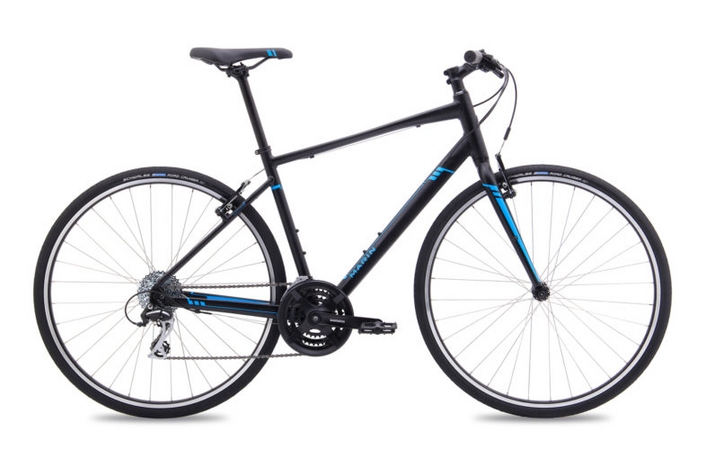
The Marin Fairfax 2 is the hybrid to consider when you want a conventional, adaptable commuter/fitness bike and a nearby shop can set it up in the right size. Marin’s current Fairfax 2 specification uses a Series 2 6061 aluminum frame, an aluminum straight-blade fork, rack and fender mounts, a rear kickstand mount, 700 x 35 mm Vee Tire Co. Zilent tires with puncture protection, and Tektro hydraulic disc brakes with 160 mm rotors.
The Fairfax 2 uses a 2x8 drivetrain: two chainrings at the front and eight gears at the rear. That is not inherently outdated. It gives riders a broad range of options and a familiar shift pattern, though it asks for more attention than a 1x setup. Learn to ease off pedal pressure during a front shift and avoid extreme chain angles. A 2x system can be a perfectly good choice for rolling terrain and riders who appreciate close, usable ratios.
The 35 mm puncture-protected tires make it similar in intent to the Trek FX: paved road, bike path, errands, and longer fitness rides. The mounting points matter because the difference between a recreation bike and a transportation bike is often a pair of fenders and somewhere to put a bag. If you are commuting with a laptop or groceries, plan for a rear rack and panniers rather than a heavy backpack. A loaded backpack can make a short ride feel much longer.
Marin advises that specifications, pricing, and availability can change. That is normal across bicycles, especially when suppliers substitute parts during a model year. Treat the product page as a starting point. Inspect the actual bike, confirm its brakes and drivetrain, and make sure the size chart puts you in range. The best reason to buy a Fairfax 2 is not a list of parts on the internet; it is that the local shop has your fit, can assemble it correctly, and can help with the first service after break-in.
For year-round, low-maintenance commuting: Priority Continuum Onyx
The Priority Continuum Onyx makes a different argument from the other bikes here. It is built around a Gates Carbon Drive belt and an Enviolo continuously variable rear hub, rather than a conventional exposed chain and derailleur. Priority also includes hydraulic disc brakes, hub-powered lights, composite fenders, reflective-sidewall tires, a kickstand, and rack mounts. The result is a bike designed to go from daily transportation to weekend path riding without requiring a pile of add-ons first.
The belt drive is the headline feature. It does not need chain lubricant, does not rust like a steel chain, and does not put oily marks on work clothes. The Enviolo hub does not have fixed click-to-click gears. Instead, you turn the grip toward easier or harder resistance. Priority describes a 380% range, roughly comparable to a wide conventional commuter drivetrain. That can feel natural in stop-and-go traffic because you can choose a lower resistance while stopped before starting again.
There are important trade-offs. The Continuum Onyx weighs about 31 pounds with pedals, fenders, lights, and kickstand, according to Priority. It is not the bike for someone who has to carry it up three flights of stairs every day. The proprietary elements also mean that not every shop will have every part on the shelf. Check service access in your area before buying a belt-drive internally geared bike. A low-maintenance system is still a system that will eventually need knowledgeable service.
Choose it if rain, road grit, darkness, regular commuting, and fewer maintenance chores are the core use case. The included lights and fenders are especially valuable because they are integrated into the plan instead of being an afterthought. Skip it if you want the lightest bike for weekend fitness, need to lift it frequently, or prefer the familiar feel and easy parts availability of a derailleur drivetrain. The Trek, Specialized, and Marin are more versatile choices for riders who are still figuring out how they will use a bike.
How to choose the right hybrid bike
Fit is more important than a component upgrade
Start with the manufacturer’s size chart, then treat it as the first filter rather than the final answer. Your inseam, torso length, flexibility, preferred riding posture, and any old injury all influence fit. A bike that is technically the right size can still feel too stretched out, too tall at a stop, or too cramped through the shoulders. A good shop can adjust saddle height, tilt, handlebar position, and stem length within reasonable limits, but it cannot transform the wrong frame into the right one.
During a test ride, pay attention to the things that show up after five minutes: can you reach the brake levers without locking your elbows, can you shift while keeping a relaxed grip, does the saddle let you pedal smoothly, and can you stop and start with confidence? A step-through or midstep frame is a practical choice for anyone who values easier mounting and dismounting. It is not restricted to a gender or riding style.
Tire width changes the ride more than beginners expect
For hybrids, 700 x 35 mm is a dependable pavement-first size. It has more air volume than a narrow road tire and still feels quick on smooth paths. A 700 x 40 mm tire gives a larger cushion and more comfort over cracks, gravel, and rough asphalt. The goal is not to buy the widest tire possible. It is to choose enough tire for the surface and run it at a sensible pressure within the tire and rim maker’s stated limits.
Do not inflate every hybrid tire to the maximum number printed on its sidewall. Maximum pressure is a safety limit, not a comfort recommendation. A tire that is too hard can bounce on broken pavement and reduce grip. Start within the maker’s range, account for rider and cargo weight, then make small changes. Check pressure before rides; tires lose air over time even without a puncture.
Choose the drivetrain for the maintenance you will actually do
A 1x drivetrain has one front chainring and one right-hand shifter. It is easy to learn, clean, and use. A 2x drivetrain offers more gears and closer spacing but needs front shifting and more attention to chain position. A belt drive with an internally geared or continuously variable hub removes the exposed chain and derailleur from the equation, which is attractive for rain and daily clothing, but adds cost and can narrow service options.
There is no need to count speeds as if a 21-speed bike is automatically three times better than a seven-speed bike. Gear range and the size of the gaps matter more. Look at the hills around you, ride a comparable bike if possible, and pick a drivetrain whose operation feels intuitive. A rider who shifts at the right time on a basic bike will have a better day than a rider who avoids shifting because a complicated setup feels intimidating.
Brakes and mounting points make a commuter practical
Hydraulic disc brakes are a strong default for an all-weather hybrid. They generally need less frequent cable adjustment than mechanical discs and provide controlled braking in varying conditions. They still need inspection, pad replacement, and occasional service. Squeeze both levers before every ride and stop riding if a lever pulls to the bar, a rotor rubs badly, or braking feels inconsistent.
Rack, fender, bottle-cage, and kickstand mounts may look dull on a product page. They are what allow a fitness hybrid to become a rain-capable commuter. Check the manufacturer’s cargo rating for any rack you add. Use fenders that are compatible with the frame and tire width. A full-length fender makes wet roads far less unpleasant for both the rider and the person following behind.
Buy the bike safely and set it up before riding
A bicycle bought online may arrive mostly assembled, not necessarily ready to ride. Do not assume the wheels, headset, pedals, brakes, and fasteners were set correctly in transit. If you do not already know how to assemble and inspect a bike, pay a reputable local shop to build or safety-check it. This is a high-value service, especially before a commute or a ride with traffic.
Before every ride, perform a simple check: tires have pressure and no obvious damage; quick releases or thru-axles are secure; the wheels spin freely; both brakes stop the bike; the chain moves cleanly through the gears; and nothing feels loose at the bars, saddle, pedals, or crank. NHTSA also advises checking the bicycle before riding. A brief test in a low-traffic area is the right time to notice a rubbing brake or skipped shift, not the middle of an intersection.
Wear a properly fitted bicycle helmet that is labeled as meeting the U.S. CPSC bicycle-helmet standard. The helmet should sit level, fit snugly, and have a securely fastened chin strap. Replace it after an impact as the maker instructs; damage may not be obvious. For riding after dark, use a white front light and red rear light, wear reflective details, and follow your local laws. Do not rely on passive reflectors alone to make you visible.
Lock the bike according to the risk where you park. Use a lock that secures the frame to a fixed object and, when possible, includes a wheel. A quick-release front wheel and a bike left outside every day need more thought than a bike stored in a garage. Theft prevention is part of the purchase decision, so reserve budget for it before spending on cosmetic upgrades.
What else do you need?
At minimum, plan for a helmet, lock, front and rear lights, a pump, spare tube or tire plug solution suited to your wheels, tire levers, and a way to carry water. Add fenders and a rack if the bike will be used for transport. Do not wait until the first rain to discover that a backpack, loose pant leg, and bare rear wheel make a messy commute.
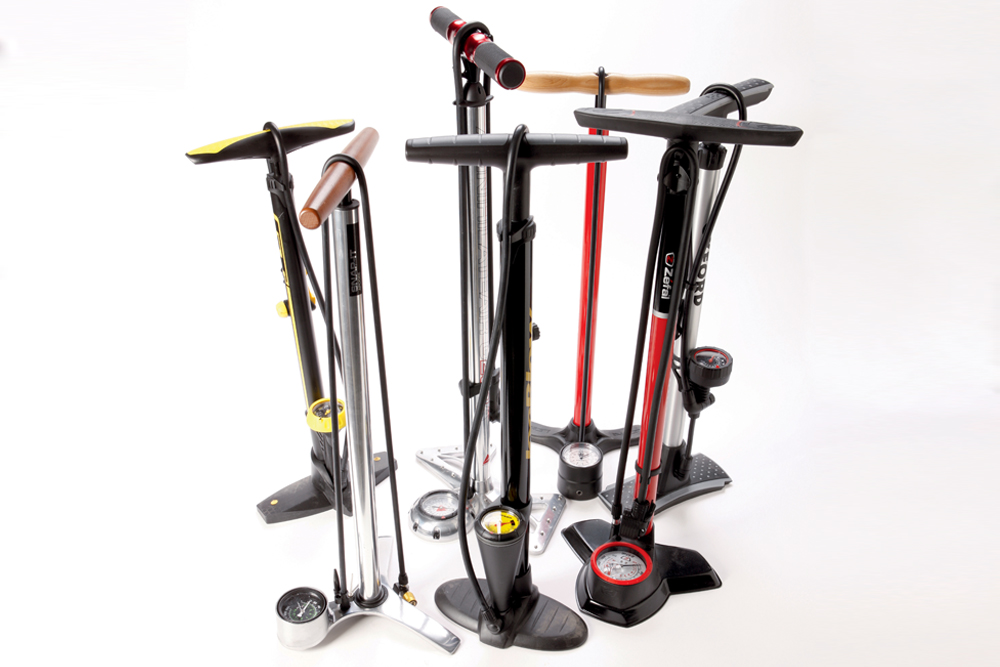
A floor pump with an accurate gauge is the accessory that pays off earliest. Our guide to bike pumps covers the options for home and roadside use. Keep a small repair kit on the bike once you start riding farther from home. Practice removing and reinstalling a wheel in a calm place before expecting yourself to fix a flat on the roadside.
For more riding and gear guidance, browse SuperGrail’s biking guides. Start with reliable basics. A rack bag that keeps weight off your back and a pump that keeps tires in range will do more for daily comfort than an expensive handlebar accessory.
How we researched this guide
We compared current manufacturer specifications, sizing information, owner material, and component details for the bikes named here. We checked frame mounts, brake type, tire width, drivetrain layout, included commuting equipment, stated weights, and fit ranges. We also reviewed current U.S. Consumer Product Safety Commission and NHTSA materials on helmets and pre-ride checks. We did not perform hands-on testing. The recommendations prioritize a clear riding role, fit and service practicality, and the trade-offs that affect daily ownership.
Questions before buying a hybrid bike
Is a hybrid bike good for commuting?
Yes, as long as its tire width, riding position, and mounts suit the route. A rack, fenders, lights, and a lock turn a basic hybrid into a much more useful commuting tool. Choose wider tires for bad pavement and a belt-drive or simple drivetrain if weather and maintenance are major concerns.
Can I ride a hybrid bike on gravel?
It depends on the gravel. A hybrid with 35 to 40 mm tires can handle smooth hard-packed paths and light gravel. Loose stone, deep gravel, roots, and steep off-road descents are better handled by a gravel bike or mountain bike with appropriate tires and geometry.
Should I get hydraulic or mechanical disc brakes?
Hydraulic discs are a good default if the budget allows. They provide controlled braking and avoid cable stretch adjustments, though they still need pads, rotors, and periodic service. Mechanical discs can be fine, particularly where service simplicity is the priority. Both need inspection before riding.
Is a belt-drive bike worth the extra cost?
It can be for a regular all-weather commuter who values a clean, low-lubrication drivetrain and is willing to check local service options. It is less compelling for an occasional rider, someone who carries a bike upstairs daily, or a buyer who prefers common derailleur parts and lower initial cost.
Should I buy a bike online or at a local shop?
Buy from the source that gets you the right size and safe assembly. A local shop adds fit help, setup, and follow-up service. An online purchase can work, but budget for professional assembly or a complete safety check unless you are already confident doing the work yourself.
What to buy
Choose the Trek FX 2 Gen 4 for a practical paved-route hybrid that can grow into a commuter. Choose the Specialized Sirrus X 3.0 if wider tires and rougher paths are part of the routine. Choose the Marin Fairfax 2 when it is available in the right size from a good local shop and its familiar 2x8 setup suits your route. Choose the Priority Continuum Onyx when year-round commuting, integrated lights and fenders, and a clean belt drivetrain outweigh its additional weight and cost.
Whichever bike you choose, invest in correct fit, safe assembly, a helmet, lights, a lock, and a pump before adding lifestyle accessories. A simple, well-set-up hybrid is a better daily bike than a more expensive model that is not ready for the ride you actually take.