Most people do not need a dedicated ab machine. A good floor surface, a few well-chosen movements, and steady progression can cover a great deal. Buy equipment when it solves a real problem: you need a compact cue that helps you train consistently, a supported position that makes bodyweight work more approachable, or a piece of home-gym gear that also supports other training. For most beginners, the Wonder Core Smart is the easiest dedicated option to start with because it is compact, needs no assembly, and uses adjustable assisted resistance. The limitation is its 264-pound stated user limit and its spring-assisted movement, which will not suit every body or every training goal.
If you already know how to keep a neutral, controlled trunk under load, the Perfect Fitness Ab Carver Pro offers a much smaller and cheaper path. It takes almost no storage space, but an ab roller has a high skill floor. For a more versatile home-gym station, the CAP Hyperextension/Ab Bench supports several bodyweight positions without pretending to be a miracle core machine. An adjustable bench plus appropriate attachments is the upgrade path for someone building a complete home gym, rather than buying a single-purpose gadget.
Quick picks
| Situation | Pick | Why it fits | Compromise |
|---|---|---|---|
| Beginner who wants guided, compact resistance | Wonder Core Smart | Foldable trainer with adjustable 24–48-pound-per-side assistance and no assembly. | 264-pound stated capacity; limited load progression compared with a bench or cable setup. |
| Low-cost, small-space core training | Perfect Fitness Ab Carver Pro | Wide-tread ab roller with a compact footprint and a movement that can be progressed gradually. | Requires good shoulder and trunk control; not the best first tool for a complete beginner. |
| Bodyweight bench for core, back, and upper-body work | CAP Hyperextension/Ab Bench | Four stated training positions, steel frame, and a 300-pound recommended capacity. | Needs real floor space and assembly; a bench alone does not teach exercise form. |
| Dedicated home-gym upgrade | PowerBlock PowerBench 2.0 with Ab attachment | Adjustable bench ecosystem that can support broader strength training. | Far more expensive and larger than a core-only purchase. |
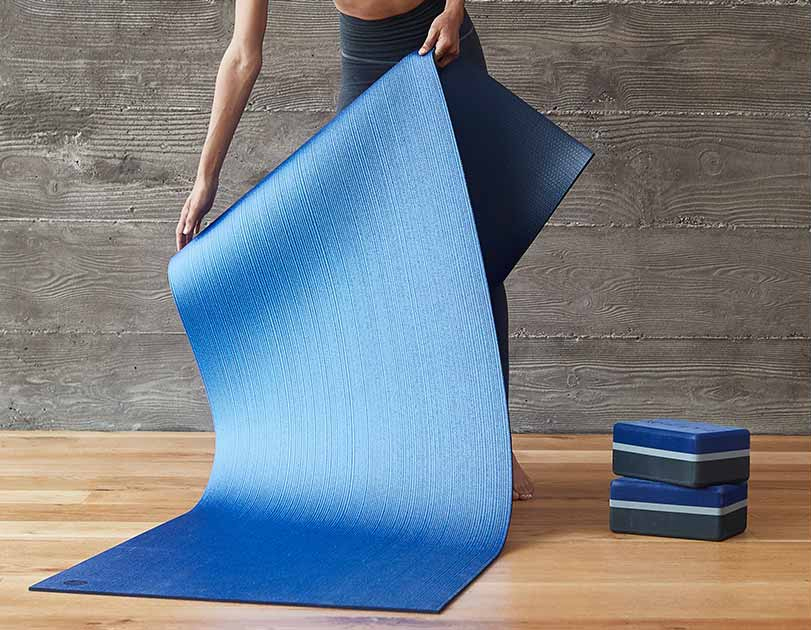
| Start with no machine at all | A stable exercise mat | Supports floor-based work and costs less than most specialty machines. | Provides no guided path or added resistance. |
Decide what you need the equipment to do
Home ab equipment falls into three useful groups. Rollers challenge you to resist trunk extension while moving through a long range. Guided crunch trainers support or constrain a movement, which can make the first repetitions feel less intimidating. Benches and power-tower-style stations create positions for bodyweight work and are usually useful for more than one exercise. The right group depends on the movement you can already control, the amount of room you have, and whether you want one item to earn its place in a broader home gym.
A machine does not selectively remove fat from the midsection. It can make a core exercise easier to repeat, harder to progress, or more comfortable to set up. Visible body-composition changes come from a larger pattern of training, food, recovery, and time. Be skeptical of any machine that promises a body shape, a specific calorie result, or a shortcut with no attention to workload and technique.
Before ordering, measure the open footprint, the folded footprint, and the clear space around it. A foldable trainer that lives under a bed is more likely to be used than a large rail machine that blocks a hallway. Read the stated user capacity, use the product only on a flat surface, and do not assume a capacity rating leaves room for uncontrolled movement. If you have ongoing back, shoulder, hip, or wrist pain—or have been told to limit exercise—ask a qualified clinician or physical therapist what movements are appropriate before adding equipment.
Best compact guided trainer: Wonder Core Smart
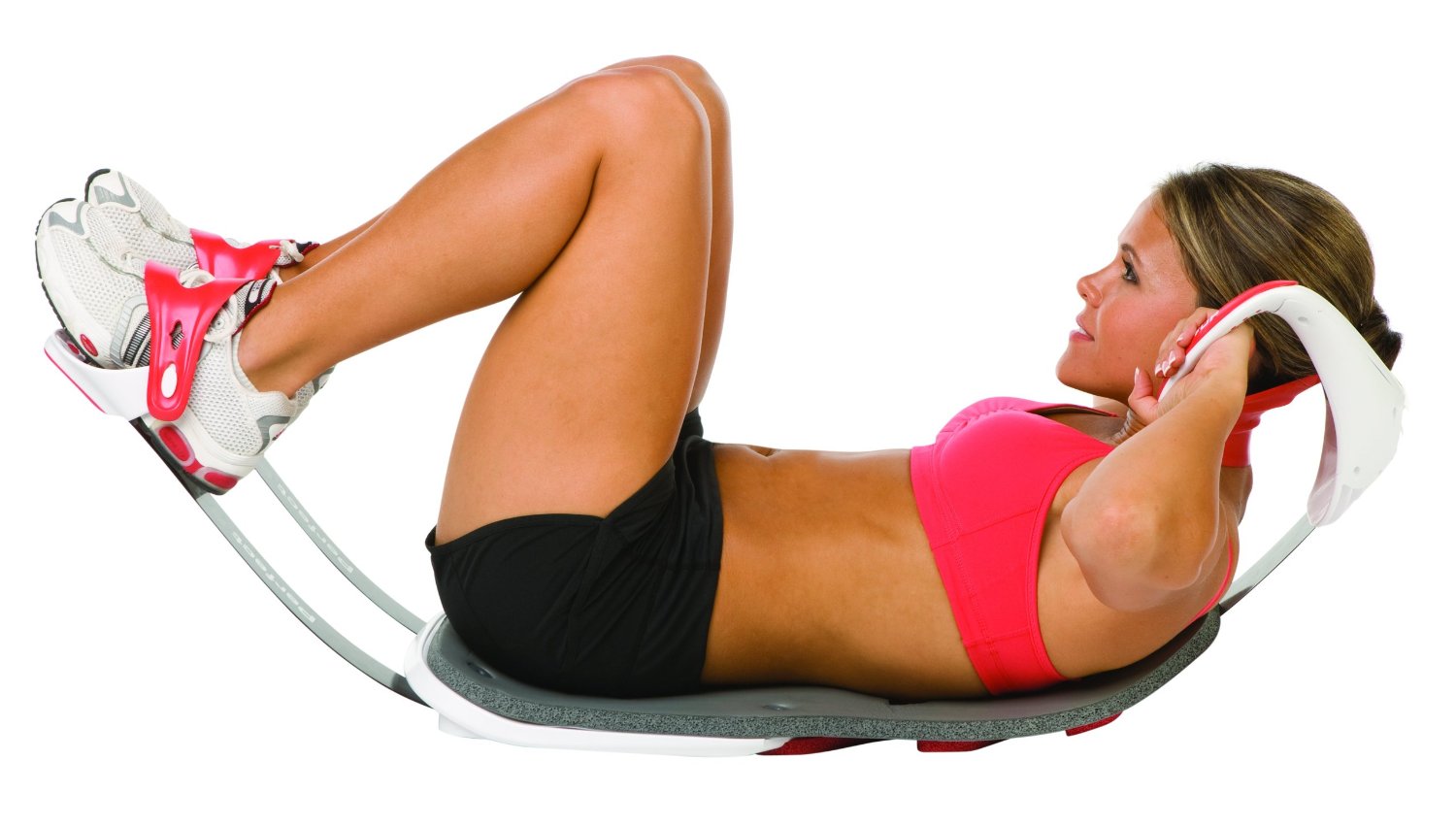
The Wonder Core Smart is the pick for someone who wants a compact guided trainer instead of an exposed wheel or a full bench. Wonder Core specifies adjustable dials that provide 24 to 48 pounds of resistance per side, a no-assembly design, a foldable frame, and a stated maximum user load of 264 pounds. The assisted spring action helps return the user from a supported crunch-style position, which is useful for a beginner who wants repeatable resistance without a cable stack.
The practical appeal is friction reduction. The trainer is small enough for a living room or apartment, it is ready without installation, and the resistance can be changed without plates or bands. Wonder Core presents it as a multi-movement trainer, including crunches, tucks, push-ups, and other bodyweight variations. That variety is only helpful if you choose a few movements, learn them properly, and progress them. Cycling through every illustrated exercise is not a substitute for a sensible program.
Its trade-off is the same thing that makes it approachable: the machine guides the movement and relies on spring assistance. A person who wants substantial progressive loading, long-range anti-extension work, or a bench for presses and rows will outgrow it. The stated capacity also rules it out for some users. Choose it when setup and supported repetitions are the main obstacle. Skip it when you need a more adaptable strength-training station.
Best low-cost pick: Perfect Fitness Ab Carver Pro
The Perfect Fitness Ab Carver Pro is a compact ab roller for a person who can already hold a controlled plank-like position and wants a demanding movement without buying a machine. Perfect Fitness positions the Ab Carver Pro as a compact home-gym product. Its wide wheel and hand grips make it more substantial than a tiny single-wheel roller, while its size still makes it easy to store in a drawer or closet.
Rollers are useful because the exercise can be scaled. Start with a short rollout from the knees, keep the ribs from flaring, and stop the range before the lower back takes over. Progress by moving farther, slowing the repetition, using a more challenging starting point, or adding volume only when the previous version remains controlled. The goal is not to reach farther at any cost. A shorter, steady rollout is better training than a dramatic one that shifts the load into the back or shoulders.
The roller is not the universal budget answer. It loads the shoulders, wrists, and trunk in a position some beginners find difficult to control. It also does little to guide a person who is unsure how to set the pelvis, brace, or breathe. Use a good exercise mat for knee comfort and floor traction, but do not try to solve poor control by stacking pads under the knees. Choose the roller when you are ready to progress a simple movement. Choose the Wonder Core or start with basic floor exercises when you need more support.
Best multi-position bench: CAP Hyperextension/Ab Bench
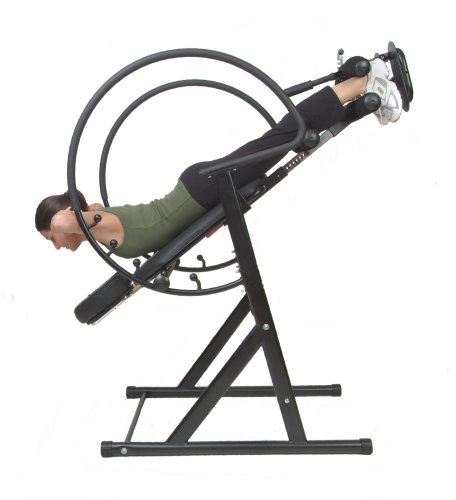
The CAP Hyperextension/Ab Bench is the most sensible dedicated bench-style option for a buyer who wants more than crunches. CAP lists four training stations: a hyperextension bench, flat weight bench, upper-body bench, and core/slant board. The company gives the assembled footprint as 51 by 27 by 32 inches and recommends a maximum user weight of 300 pounds. That combination gives the bench a clearer role than many narrow decline boards.
It can support controlled back-extension work, supported core positions, and some upper-body movements, provided you follow the manual and the bench is assembled securely on a level surface. The wide use case matters in a small home gym. A bench that supports several movements is easier to justify than a rail machine that exists only for a specific crunch pattern.
It is still equipment, not coaching. Set the pads so you can move without sliding or reaching for a range you cannot control. Do not use momentum to swing through repetitions, and do not load a movement simply because the frame looks sturdy. The CAP bench needs more room than a roller or compact trainer, and assembly is part of the purchase. It is for a buyer who has stable floor space and wants a bodyweight bench that can remain useful as the rest of the gym grows.
Best upgrade if you are building a full gym: PowerBench 2.0
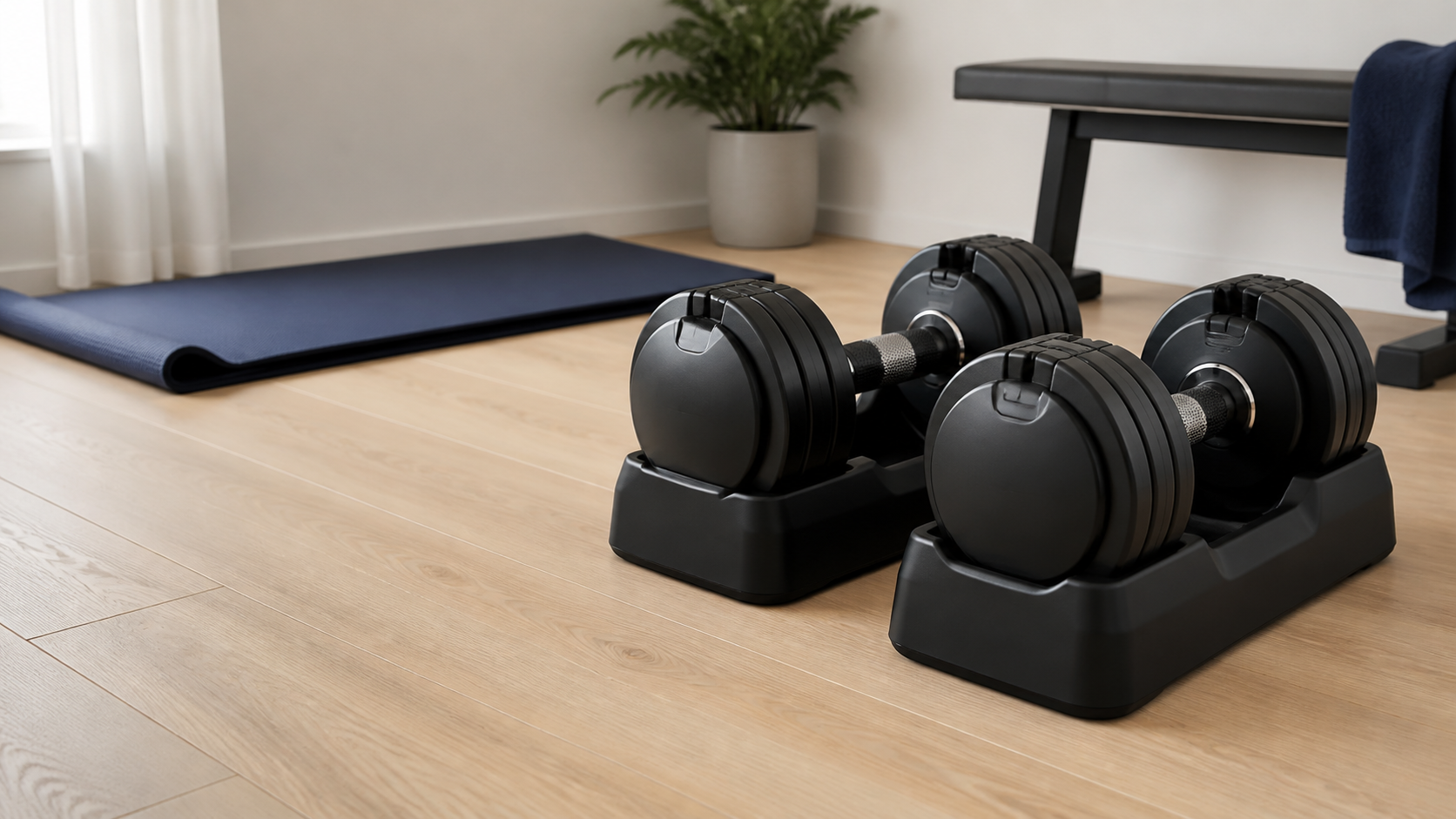
The PowerBlock PowerBench 2.0 with an Ab attachment is an upgrade path, not a casual ab-machine purchase. PowerBlock describes the PowerBench 2.0 as an adjustable bench rated to 1,000 pounds and sells compatible ab, dip, and chin-up attachments. The value is not that it creates a more exciting sit-up. It is that an adjustable bench can serve pressing, supported rows, split squats, dumbbell work, and core training as a home gym develops.
This approach costs more, uses more space, and asks you to think about your whole training setup. That is exactly why it is worthwhile for the right buyer. Someone who already owns adjustable dumbbells or intends to use a bench several times per week can get far more use from an adjustable platform than from a flashy single-purpose abdominal trainer. Confirm attachment compatibility before buying; a bench ecosystem works only when its specific components fit together.
Skip this route if your real goal is a small, quick way to train on the floor. A PowerBench setup is overbuilt for a ten-minute core routine. Its place is a dedicated room, garage gym, or serious multi-use corner where the bench will earn its footprint across many exercises.
When no ab machine is the better purchase
A stable floor surface, a clear plan, and consistent practice are enough for many people. Dead-bug variations, side planks, controlled carries, bird-dog patterns, and other simple bodyweight movements can be progressed through range, leverage, time, or load. A machine can be pleasant to use; it is not required for a useful core session. If the budget is tight, buy a good mat, protect the floor, and put the money toward equipment you will use across the rest of your training.
Floor work also lets you find the movement patterns that suit you before buying a device. If a controlled plank from the knees is uncomfortable, an aggressive ab roller is unlikely to fix that. If a basic crunch pattern irritates the neck or back, a guided crunch machine may repeat the same problem. Work inside a range you can control and seek qualified help for persistent symptoms.
For recovery after ordinary training soreness, our foam-roller guide covers useful options. A roller is not a treatment for injury, and no recovery tool replaces medical advice when pain is sharp, persistent, or accompanied by weakness or numbness.
How to choose without being fooled by marketing
First, match the machine to your current ability. An ab roller gives the least assistance and demands the most control. A spring-assisted trainer can make the first repetitions easier to organize. A bench creates positions and supports several movements, but the user still has to control the range. Buy the least complicated tool that removes your actual barrier to training.
Second, check the capacity and geometry. Read the manual’s user limit, inspect how far the pads and handles adjust, and compare them with your height and intended exercises. Tall users may find a compact roller or fixed trainer limits comfortable range. Larger users should never treat a stated maximum as a target. Equipment should be used within its rated limit with room for normal movement.
Third, consider progression. A machine should allow you to make an exercise harder in a clear way: more controlled range, less assistance, a more difficult lever, added load where the maker permits it, or more high-quality repetitions. A device that only encourages endless fast reps is likely to become furniture. Ask how you will use it in three months, not just how it looks on day one.
Finally, account for setup. Foldability is useful only when unfolding, placing, and storing the machine takes little effort. A heavy bench can be a good purchase in a permanent gym corner and a bad one in a studio apartment. Measure before ordering, leave a clear safety margin around the equipment, and keep the floor free of loose weights, cords, and slippery rugs.
Set up the first month before buying more equipment
Start with two or three sessions a week, leaving time for the body to adapt. Pick one anti-extension or rollout-style movement, one side-support or carry variation, and one controlled flexion or supported movement if it is comfortable for you. Keep the sessions short enough that you can focus on form. Add difficulty gradually only after you can repeat the prior version without holding your breath, rushing the range, or feeling joint pain.
Read the machine manual before the first workout. Tighten hardware as directed, use the product on a level surface, and inspect pads, springs, straps, and joints periodically. For an ab roller, check the wheel and handles. For a bench, check fasteners and adjusters. For a spring trainer, check that the resistance settings are fully engaged and that the frame sits flat. Equipment care is unglamorous, but it matters more than a new routine every week.
Stop a movement if you feel sharp pain, numbness, dizziness, or a feeling of instability. Muscle effort is normal; a symptom you cannot explain is not a cue to push harder. Scale the exercise down, choose a different pattern, or get an assessment when it persists. The best home equipment is the tool that helps you train regularly without turning each session into a test of tolerance.
How we researched this guide
We compared current manufacturer information for capacity, dimensions, resistance, assembly, adjustability, and intended use. We looked for products with distinct roles: compact guided training, roller-based progression, a versatile bench, and a full-gym upgrade path. We did not conduct hands-on testing or make medical claims. Amazon links may earn SuperGrail a commission, which does not affect the recommendations.
Questions people ask before buying core equipment
Can an ab machine give me visible abs?
No single machine determines body composition. Core equipment can make a useful exercise easier to perform and progress, but visible changes depend on broader training, food, recovery, and individual factors. Buy a machine for the movement and habit it supports, not a promise about appearance.
Is an ab roller safe for beginners?
It can be introduced gradually, but it is demanding. Start with a short range from the knees only if you can keep control through the repetition. If you cannot, choose a supported exercise first. People with current shoulder, wrist, back, or other relevant symptoms should seek individual advice before using a roller.
Should I buy a dedicated machine or an adjustable bench?
Buy a dedicated compact trainer when space and quick setup matter most. Buy an adjustable bench when you plan to use it for a much broader strength routine. A bench is the better long-term value only if you will actually use its other positions and attachments.
What is the simplest home core setup?
A stable exercise mat and a small number of controlled bodyweight movements are enough to begin. Add a roller, assisted trainer, or bench later if it solves a specific limitation. The smallest setup is often the one that gets used consistently.
Pick the equipment that will still fit your routine
The Wonder Core Smart is the compact guided pick for a beginner who wants assisted resistance. The Perfect Fitness Ab Carver Pro is the economical choice for a person ready to control a rollout. The CAP bench is the better buy when you need several bodyweight stations, and the PowerBench route is for a full home gym. Avoid buying a machine for a promise about your appearance. Choose the one that gives you a safe, repeatable movement you will still use next month.