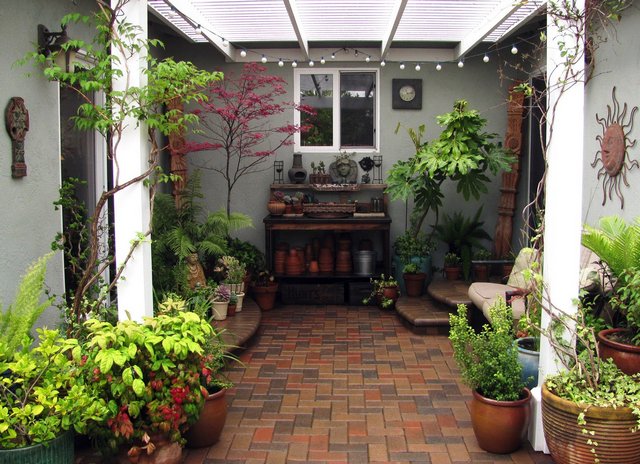
Indoor plant accessories should solve a specific care problem. A drainage pot prevents a soggy root zone. A watering can makes it easier to water soil instead of leaves and furniture. A grow light helps when the available window is dim. Pruning snips keep a cut precise. The accessories worth buying are the ones that make your existing routine easier—not the ones that promise a perfect plant with no attention.
Most new plant owners need less gear than they think. Start with the plant’s light requirement, a potting setup that manages excess water, a way to water carefully, and a clean cutting tool. Add a grow light only after you have looked honestly at the room. Add a self-watering planter only when you understand the plant, substrate, and reservoir system. A shelf crowded with misting bottles, novelty meters, and untested fertilizers will not compensate for a poor location or watering on autopilot.
We compared current accessories by the practical task they address: pot and water management, light supplementation, and precise trimming. We selected a well-specified self-watering planter, a small pruning tool that is easy to control, and a premium grow light for a deliberate indoor setup. These are not three versions of the same product, because good plant care uses different tools for different problems. Listings and bundle contents change, so confirm the current Amazon page and follow the maker’s instructions for the product you buy.
Our picks at a glance
Best self-watering planter for a deliberate setup: Lechuza Classico Color 21
Check the Lechuza Classico Color 21 on Amazon
The Lechuza Classico Color 21 is the self-watering planter we would choose when a plant has a permanent place and you want a contained reservoir system rather than a decorative pot hiding a plastic saucer. The 21-size planter is roughly 8.3 inches in diameter and 7.9 inches tall, with a one-liter water reservoir, separating bottom, and water-level indicator. It comes with the Lechuza irrigation system and a mineral drainage layer. The planter is compact enough for a shelf or side table, but large enough for a small-to-medium indoor plant that has a compatible root system and potting setup.
Its advantage is visibility and consistency. A true reservoir with an indicator makes it easier to see whether there is water available instead of guessing based on a heavy decorative pot. That can be useful for a plant you know well, a household that shares watering duties, or a week when your normal routine is interrupted. The design also looks like a finished planter rather than a nursery pot sitting in a catch tray.
Do not treat “self-watering” as “safe for every plant with no adjustment.” Different plants, root systems, substrates, room temperatures, and light levels use water differently. A plant moved from a standard draining pot may need an establishment period and a compatible substrate before reservoir watering works as intended. Follow the planter instructions, monitor the plant, and empty or adjust the reservoir if you see signs that the root zone is staying too wet. This is a premium convenience accessory, not a substitute for learning when your plant needs water.
Best pruning tool for detailed houseplant care: Fiskars Non-stick Micro-Tip Pruning Snips
Check Fiskars Non-stick Micro-Tip Pruning Snips on Amazon
The Fiskars Non-stick Micro-Tip Pruning Snips are a small, useful tool for dead leaves, spent flower stems, thin stems, propagation cuts, and careful shaping. The six-inch snips have precision-ground stainless-steel blades that cut to the tip, a non-stick coating meant to reduce resin buildup, a spring-action design, Softgrip touchpoints, a simple lock, and a protective blade cover. Those details matter more indoors than a large pair of garden loppers: most houseplant trimming is close work in a pot or on a shelf.
A dedicated pair of sharp plant snips is better than ripping off a leaf with fingers, using dull kitchen scissors, or repeatedly bending a stem until it breaks. A clean cut is easier to place and leaves less torn tissue. Wipe the blades clean after use, dry them fully, and disinfect them appropriately before moving from a plant with suspected pest or disease issues to a healthy plant. Store the snips locked and out of reach of children and pets.
These are not branch cutters. Do not force micro-tip snips through woody stems beyond the tool’s intended capacity or use them for wire, thick plastic pots, or household repairs. Larger or woody plants need a suitable hand pruner. Choose these Fiskars snips if most of your indoor work is delicate trimming and you want a compact tool you can keep with your soil scoop and watering can.
Best premium grow light for a permanent display: Soltech Aspect Gen 2 LED Growlight
Check the Soltech Aspect Gen 2 LED Growlight on Amazon
The Soltech Aspect Gen 2 is a premium hanging grow light for a plant corner where ordinary room light is not enough. The current model uses 36 watts, has an inline dimmer from 10 to 100 percent, a 3000K warm-white output, an 18-foot fabric cord, and an estimated 50,000-hour LED lifespan. Soltech lists a five-year warranty and includes upgraded mounting and cable-management hardware. It is designed to look more like a pendant light than a utility grow bar, which is why it makes sense for a visible living room, office, or shelf display.
Lighting is the accessory category where measurements and placement matter most. Plants respond to the intensity and duration of light at leaf level, not to a bulb’s advertising language. The Aspect can be hung and dimmed for different plant needs, but you should begin conservatively, observe the plant, and adjust over time. A bright-light plant placed several feet below any light may still receive much less usable light than the product photo suggests. Conversely, a low-light plant can be stressed by a powerful lamp placed too close for too long.
This is expensive and requires a safe, deliberate installation. It is not the right purchase for a single pothos that already grows well near an appropriate window. A basic plug-in grow bulb or moving the plant closer to brighter indirect light may be enough. Choose the Aspect when you want a permanent, attractive light source for a collection and are ready to manage hanging height, timer schedule, cord routing, and the plant’s response rather than expecting a “set it and forget it” solution.
Start with a plant-care diagnosis, not a shopping list
Before buying anything, identify the problem. Is the plant stretching toward a window? That is a light question. Is the soil staying wet long after watering? That is a pot, drainage, substrate, or watering-frequency question. Are leaves dusty or damaged? That may call for gentle cleaning or a trim, not fertilizer. Is water staining the shelf? That is a tray or cachepot question.
A good accessory should remove friction from a care task you already understand. If you repeatedly spill while watering high shelves, a narrow-spout watering can is useful. If you are checking soil with a finger and it is hard to reach the center of a large pot, a simple wooden skewer can help you understand moisture depth. You do not need an electronic moisture meter to begin; inexpensive meters can be inconsistent across soils and are easy to misread.
Resist the urge to buy products because a plant looks unhappy. Yellowing, leaf drop, brown edges, pests, compacted soil, and weak growth can have many causes. Change one important variable at a time where possible: location, watering timing, potting mix, or a pest-control plan. Adding a new light, fertilizer, self-watering system, and soil mix all at once makes it harder to understand what helped or harmed the plant.
Pot, drainage, and saucer setup
For most soil-grown houseplants, a pot with drainage holes is the most forgiving setup. The holes allow excess water to leave the root zone rather than pooling around roots. Place the nursery pot on a saucer or inside a decorative cachepot, then empty any standing water after the plant has had time to drain. A decorative pot with no drainage can work only when you control watering carefully and use the inner nursery pot as the removable growing container.
Choose a pot size based on root mass, not the size you hope the plant will become. A dramatically oversized pot holds more wet substrate than a small root system can use, which increases the chance of a persistently wet root zone. Repot only when the plant needs more room, the soil is depleted or compacted, or the current container no longer works. One size up is often more sensible than a giant new pot.
A saucer is not decorative filler. It protects furniture and flooring from drainage, but it should not become a permanent reservoir for a standard pot. Empty it after watering. Use felt pads, plant stands, or waterproof trays beneath heavy planters when surfaces are sensitive to moisture. Check underneath regularly; slow leaks and condensation can damage a shelf long before the top of the soil looks wet.
Self-watering planters: useful, but not universal
Self-watering planters use a reservoir, wick, separator, or mineral layer to make water available from below. They are useful for owners who understand their plant’s water use and want fewer top-waterings. They can also make a shared plant collection more consistent, because the indicator and refill point are visible. They are not automatically better for every plant or every potting mix.
Plants adapted to a fast-drying mix, a very airy root zone, or periods of dryness may need a carefully chosen system and different handling than a leafy tropical plant in a moisture-retentive mix. The same planter can be successful with one species and a poor fit for another. Read the manual, use the recommended setup materials, and observe the roots, leaves, and substrate over the first several weeks. If the plant reacts poorly, return to a standard draining pot instead of repeatedly filling a reservoir because the indicator says it is empty.
Clean the reservoir when repotting or when mineral buildup and algae become noticeable. Use clean water, avoid overfilling, and verify that any overflow feature is set appropriately for indoor use. A self-watering pot can reduce routine work, but it creates another small system that needs periodic inspection.
Grow lights: placement, time, and heat
Window direction, distance from the glass, season, nearby buildings, and room depth all change plant light. “Bright indirect light” is not a single number; it is a description of a location. A grow light can supplement a dim corner, extend the usable day in winter, or provide a controlled light source for a collection away from windows. It cannot make every plant equally happy at one fixed height and one brightness setting.
Begin with the light at the manufacturer’s suggested starting distance for your plant type, use a timer, and watch for response over time. Too little light can show up as stretched growth, slower growth, or a plant leaning toward a window. Too much or too-close light can produce bleaching, dry patches, or stress. Do not leave a strong light on around the clock. Plants need a consistent daily rhythm, and a timer is often more useful than changing settings by hand.
Install lights safely. Secure hooks or mounts into appropriate material, route cords where they cannot be pulled into water, keep electrical connections dry, and do not overload an outlet or power strip. If you rent or are unsure about mounting hardware, use a freestanding or clamp-style solution suited to the fixture’s weight rather than improvising with tape or weak adhesive. A handsome pendant light still needs a stable anchor.
Watering tools that actually help
A watering can with a narrow spout makes it easier to direct water to the soil line, especially around dense foliage. This helps you water the root zone rather than repeatedly soaking leaves, shelves, and pot rims. Choose a size you can lift comfortably when full. A huge can is useful for a large collection, but an overfilled heavy can often leads to more spills and less careful watering.
Keep one small container or squeeze bottle for hard-to-reach pots rather than using a drinking glass. A soil scoop, small trowel, and a basic cleanup cloth are useful when repotting. A humidity tray, mister, or decorative pebble layer is not mandatory equipment. Many common houseplants do well in ordinary indoor humidity when their light, watering, and soil conditions are sensible. Do not create standing water near a plant simply to chase a humidity claim.
Water based on the plant and the substrate, not the day of the week. Check the soil, lift the pot if it is safe to do so, observe the plant, and learn the drying pattern in its location. A weekly calendar reminder can be a prompt to inspect, but it should not force every plant to receive water on the same schedule.
Pruning, cleaning, and pest separation
Use sharp, clean tools for trimming dead leaves, spent blooms, or a healthy stem where pruning is appropriate. Make the cut where the plant’s structure supports it, not randomly in the middle of a leaf. Search for a reliable species-specific care resource or nursery guidance before making a major cut on an unfamiliar plant. A small pair of snips is excellent for precision; it does not make every plant tolerant of heavy pruning.
Wipe dust from sturdy leaves with a soft damp cloth when needed. Dust can make a plant look dull and can obscure the first signs of pests, but vigorous scrubbing can damage delicate foliage. Avoid coating leaves with oils or household cleaners unless a product is explicitly made for the species and you understand its use. Cleaning is observation time: look under leaves, at stems, and around the pot rim for insects, sticky residue, or unusual spots.
Separate a plant with suspected pests from the rest of the collection when practical. Clean tools before using them on another plant, wash hands, and avoid moving the same soil, runoff, or cloth between pots. If a plant is declining rapidly or you are unsure whether an issue is pest, disease, or environmental stress, seek advice from a local nursery, extension service, or qualified horticulture professional rather than applying several treatments at once.
Accessories you can skip at first
Decorative stones on the soil: They can look nice, but they make it harder to see soil moisture and can slow surface drying. Use them only if you understand the trade-off and can still monitor the root zone.
Automatic watering globes: They may be convenient for a short absence, but they do not understand the plant’s needs. Test any system at home before relying on it while traveling.
Fancy moisture meters: A simple finger check, pot weight, wooden skewer, and observation are enough for a beginner. If you buy a meter, treat it as one clue rather than a command.
Fertilizer for a struggling plant: Fertilizer supports active growth when used correctly; it is not a cure for low light, root rot, pests, or a pot without drainage. Solve the environmental problem first.
“Air-purifying” accessories: Plants are worthwhile for their beauty and the care routine they create, but do not buy plants or equipment with the expectation that a few pots will meaningfully replace ventilation or air filtration in a typical room.
How we chose
We selected tools that address three common indoor-care problems. The Lechuza Classico Color 21 is a clearly specified reservoir planter for a planned self-watering setup. Fiskars Micro-Tip Pruning Snips provide controllable cuts for detailed trimming. The Soltech Aspect Gen 2 is a designed, dimmable grow light for a permanent display where natural light is insufficient. We compared maker documentation for reservoir capacity, dimensions, cutting-tool construction, lighting output, control, cord length, and installation needs.
We did not choose accessories for novelty. The point of the guide is to make basic care more repeatable: suitable light, a root zone that drains or is managed properly, measured watering, clean trimming, and regular observation. For plant selection and realistic care expectations, see our indoor plant guide.
Frequently asked questions
What indoor plant accessories do beginners actually need?
Start with a draining pot or nursery pot plus saucer, a watering tool you can control, and a clean pair of pruning snips. Add a grow light if the room lacks suitable light. Add a self-watering system only after you understand how the plant and substrate handle moisture.
Are self-watering planters good for houseplants?
They can be excellent for compatible plants and a setup you monitor, but they are not universal. Use the maker’s recommended system, observe the plant after the transition, and do not keep refilling a reservoir if the root zone is staying too wet.
How long should I run a grow light?
Use a timer and a consistent daily schedule, then adjust based on plant type, distance, and response. Do not run a powerful light 24 hours a day. Start with the fixture maker’s guidance and observe the plant over time.
Do I need a moisture meter?
No. For most beginners, feeling the soil, checking pot weight, using a wooden skewer, and observing the plant are more dependable first steps. A meter can be a supplementary tool, not a replacement for learning the plant’s pattern.
Do indoor plants purify the air in my home?
Plants can make a room more pleasant, but a few houseplants are not a substitute for ventilation, source control, or an air purifier when indoor-air quality is the concern. Choose plants for the space, light, and care routine you can provide.
Our approach: We explain the trade-offs behind every recommendation. If you buy through an Amazon link, SuperGrail may earn a commission—our research remains independent.